Anyone who has whitened their teeth at home knows the feeling. Ten or fifteen minutes into a strip, a tooth somewhere near the front sends up a thin cold spike, and you spend the rest of the half hour negotiating with yourself about whether to take the thing off early.
Most people file that under the cost of doing business. Whitening works, whitening stings, next question. One oral care company has built a large part of its current ad account on the idea that the sting is not a cost at all. It is a message.
Running on Meta right now
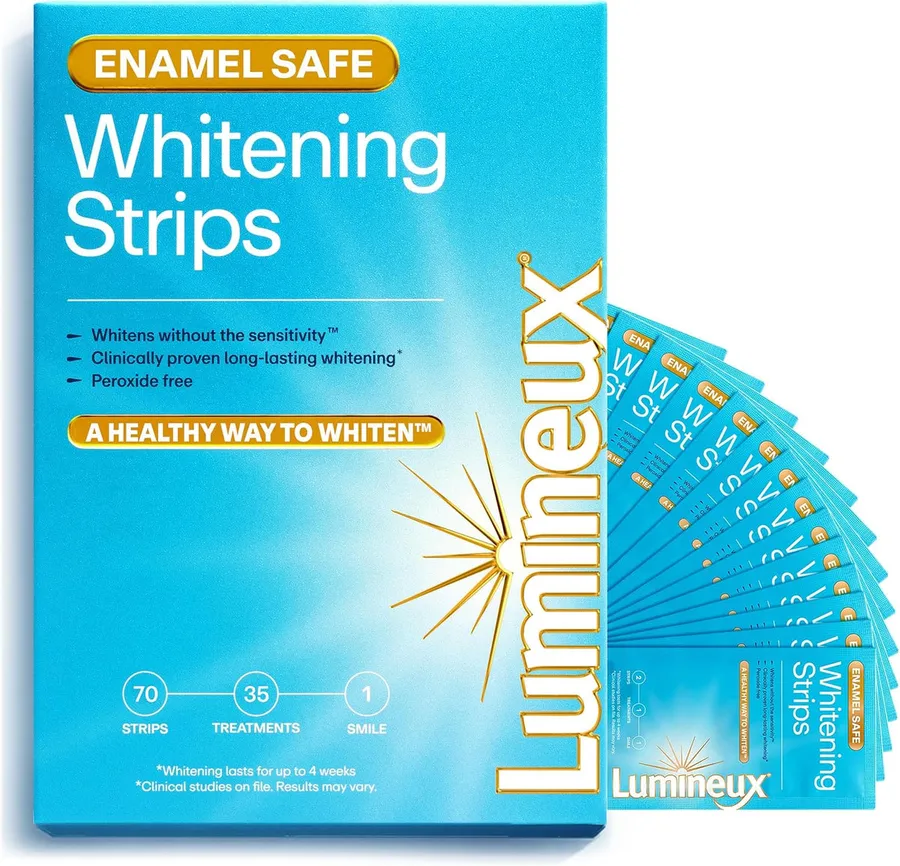
If your whitening strips cause sensitivity, they're damaging your enamel. And enamel doesn't grow back. Lumineux Whitening Strips are clinically proven to whiten without peroxide by using Dead Sea salt, coconut oil, and lemon peel oil instead. Same results. None of the damage. Your future self will thank you.
Lumineux. This copy runs word for word on seventeen of the fifty active ads pulled from its Meta page on August 14, 2026. Its second most used headline compresses it further: 30 Minutes. No Sensitivity. Whiter Teeth. See it in the Meta Ad Library
That is a great deal of weight for a paid feed post to carry, and it does not carry it: an ad has room for the claim and no room for the evidence. The evidence does exist. It is on the company's own website, behind a link almost no shopper clicks: a page of studies, filed by date, each one reduced to a plain language conclusion. Lumineux says more than sixty studies have been run on its range. The list published on the site runs to thirty one entries.
Four of them are about the strips. They are worth reading in order, including the part that does not flatter the product.
Why they put both brands in the same mouth
The problem with comparing two whitening strips is that people are not comparable. Enamel thickness, coffee, tobacco, saliva, how long you actually leave the strip on instead of how long the box says: all of it moves the result, and most of it moves the result more than the product does. Run a normal trial and you end up measuring the volunteers.
The 2020 trial got around that by making each person their own control. Ten participants applied one brand to the upper left and lower right quadrants, and the other brand to the remaining teeth. Thirty minutes a day, ten days running. At baseline, at day 5 and at day 10, a clinician who did not know which side was which scored every tooth: a three second blast of air to grade sensitivity from 0 to 4, and a visual inspection to grade gum irritation from 0 to 3. Participants filled in the same two scores themselves after every single application.
Gum irritation, scored in the office
Significantly lower on the Lumineux side
Gum irritation, scored by the participants
Lower on the Lumineux side, but not significantly
Tooth sensitivity, air spray test
Comparable in both groups
The published conclusion is narrow and it is worth quoting rather than paraphrasing.
Use of a novel cosmetic dental strip resulted in less gingival irritation than a widely used control product. Conclusion of the gingival irritation study, published on lumineuxhealth.com. The control was Crest 3D White. Read the summary
Note what that sentence does not say. On this trial, on the air spray measure, the two strips tied on tooth sensitivity. The company publishes that line on its own site without softening it. What separated the two products here was the gums, not the teeth.
Which is exactly why the second study matters.
Three years later, a bigger test and a different answer
In August 2023 the company published a second trial, built to settle the whitening question rather than the comfort question. Fourteen days. Randomized. Double blinded. Controlled. Three different whitening strips, one of them peroxide based.
No significant difference was found between the whitening effect of a non-peroxide whitening strip vs that of a peroxide-based formulation. Tooth luster increased significantly after the non-peroxide treatments whereas it decreased significantly after treatment with the peroxide strips. The peroxide-based strip caused significantly more dental sensitivity, oral burning, and soreness than the other formulation. Conclusion of the 14-day randomized, double-blinded, controlled clinical study. Read the summary
Three findings from one 14-day double blinded trial, as published by Lumineux.
Read the ad again with that paragraph in front of you. Same results. None of the damage. Six words compressing a clinical conclusion the company paid for. The luster line is the one nobody puts in an ad, and it is the most interesting of the three: the peroxide group did not just report more discomfort, their teeth came out of the fortnight measurably duller.
What fourteen days actually moved
A separate fourteen day study, published in March 2023, went after the shade rather than the comfort. It read the shade on a Colormaster V guide, the fan of sample tabs a dentist holds against your teeth to name a color, and it took a reading at day 7 and again at day 14.
Figures published by Lumineux from its 14 day whitening strips study. Read the summary
The same study reported that daily use over those fourteen days did not cause any adverse effects in the oral soft and hard tissues, and that neither the gums, nor the oral mucosa, nor the teeth showed signs of any adverse effect.
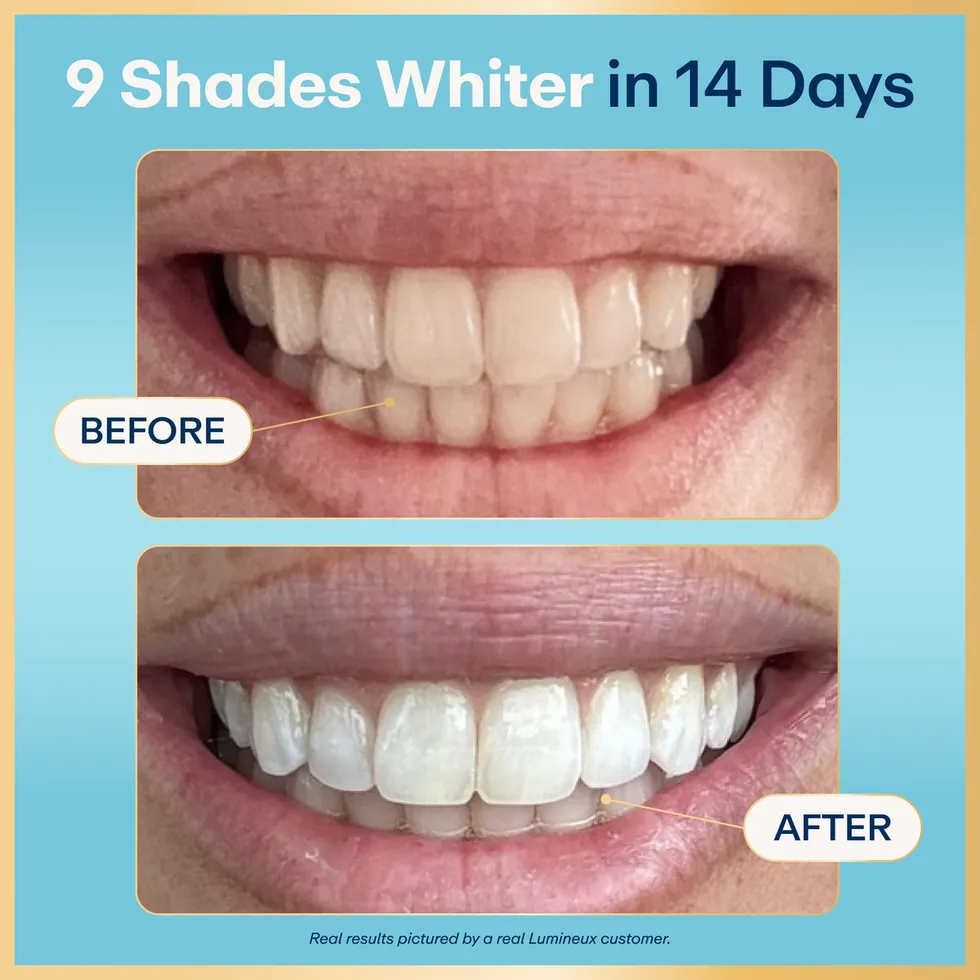
Two things are worth knowing before you expect that from your own mouth, and both come from the company rather than from us. Its help center says that staining which is intrinsic, meaning underneath the enamel rather than on it, typically will not lift using whitening products. And when a customer reports no result at all, the two reasons it puts first are not waiting long enough before drinking something staining, and not using the strips often enough.
What is actually on the strip
Eight ingredients, printed in full on the product page. No decoding required.
Whitening strips, full ingredient list
Vegetable Glycerol, Deionized Water, Carbomer, Carboxymethyl, Coconut Oil, Dead Sea Salt, Sage Oil, Lemon Peel Oil.
As published on the Lumineux whitening strips product page, August 14, 2026.
Three of those do the visible work, and the company gives each one a single line of explanation.
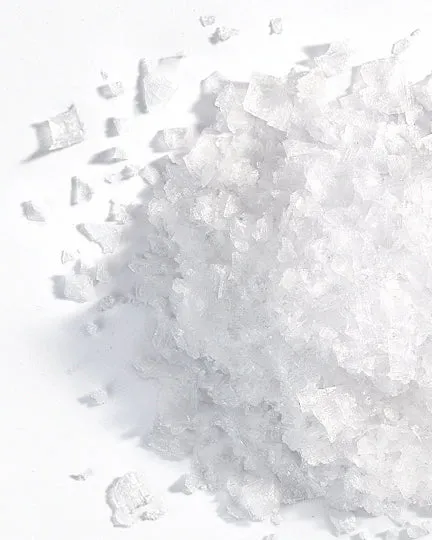
Dead Sea saltCalcium, magnesium, potassium. The brand's line: key to help balance and restore.
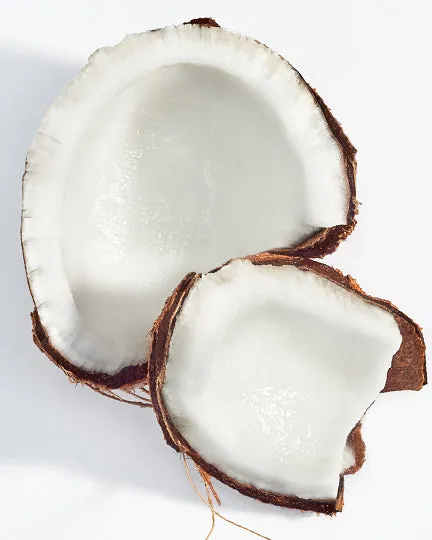
Coconut oilDescribed by the brand as a natural tooth whitener used all over the world.
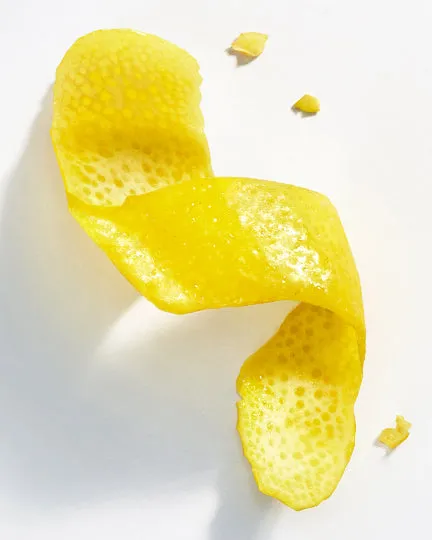
Lemon peel oilThe peel, not the juice, because the brand says the peel oil is non-acidic.
And the four things the company leaves out
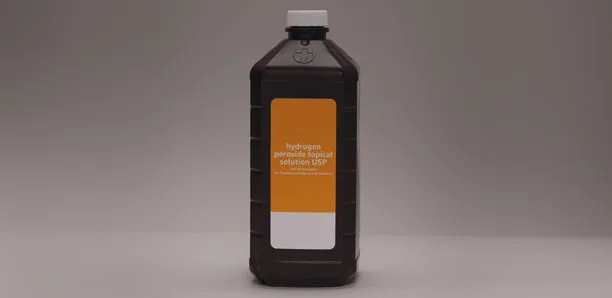
No hydrogen peroxide
The company's note: this oxidizing agent can break down enamel while whitening teeth.
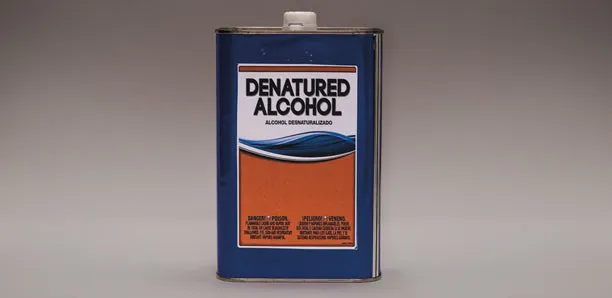
No alcohol
Denatured alcohol is a drying agent, and in the company's words, it's what causes the burning you might expect.
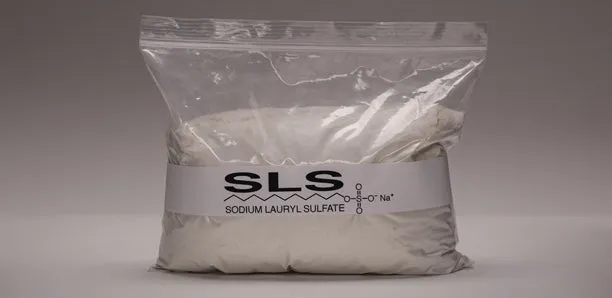
No sodium lauryl sulfate
The foaming agent in most toothpaste. The company calls it an irritant that can cause inflammation.
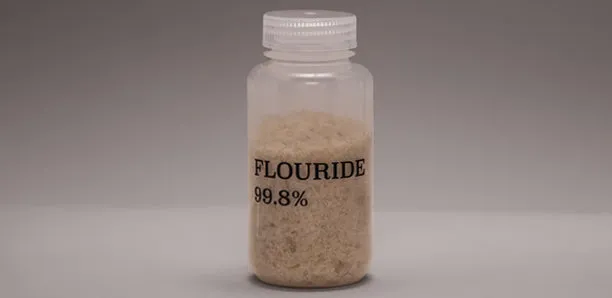
No fluoride
The fourth absence, and a live argument in dentistry that this page will not settle. Lumineux states its own position on its about page.
The other half of the ad account is a toothpaste
Of the fifty active ads pulled from the Lumineux page on August 14, twenty seven carried one headline: The Toothpaste NASA Helped Develop. That is more than half the account pointing at a single ingredient story.
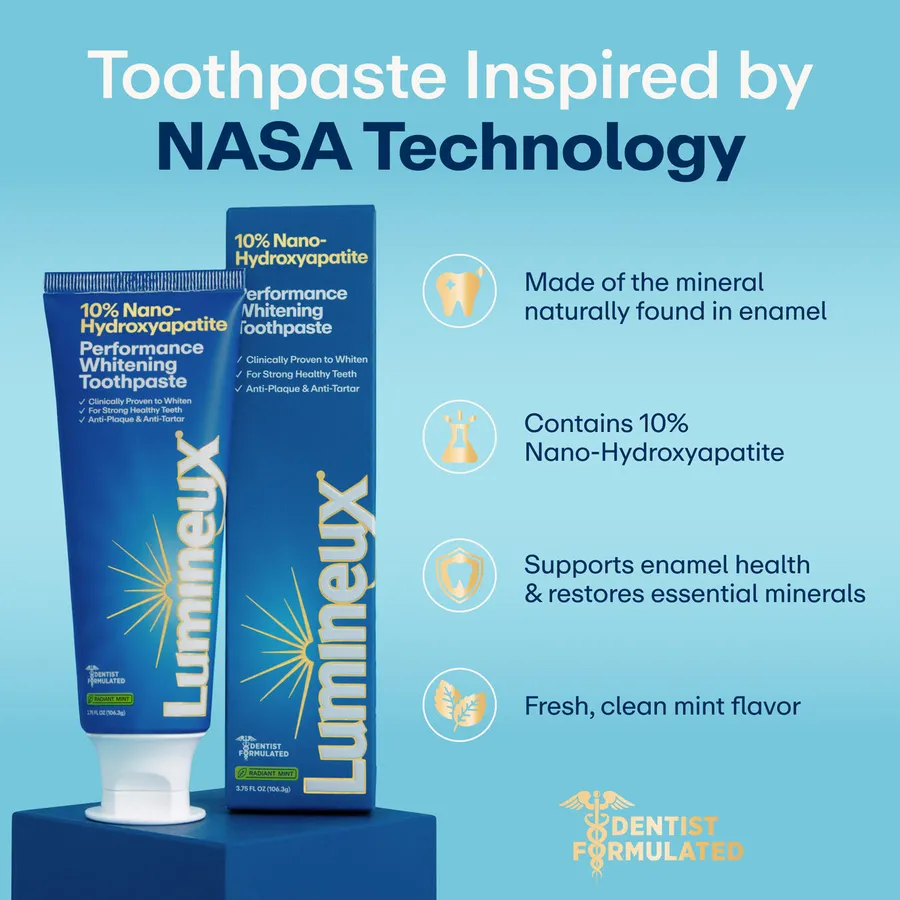
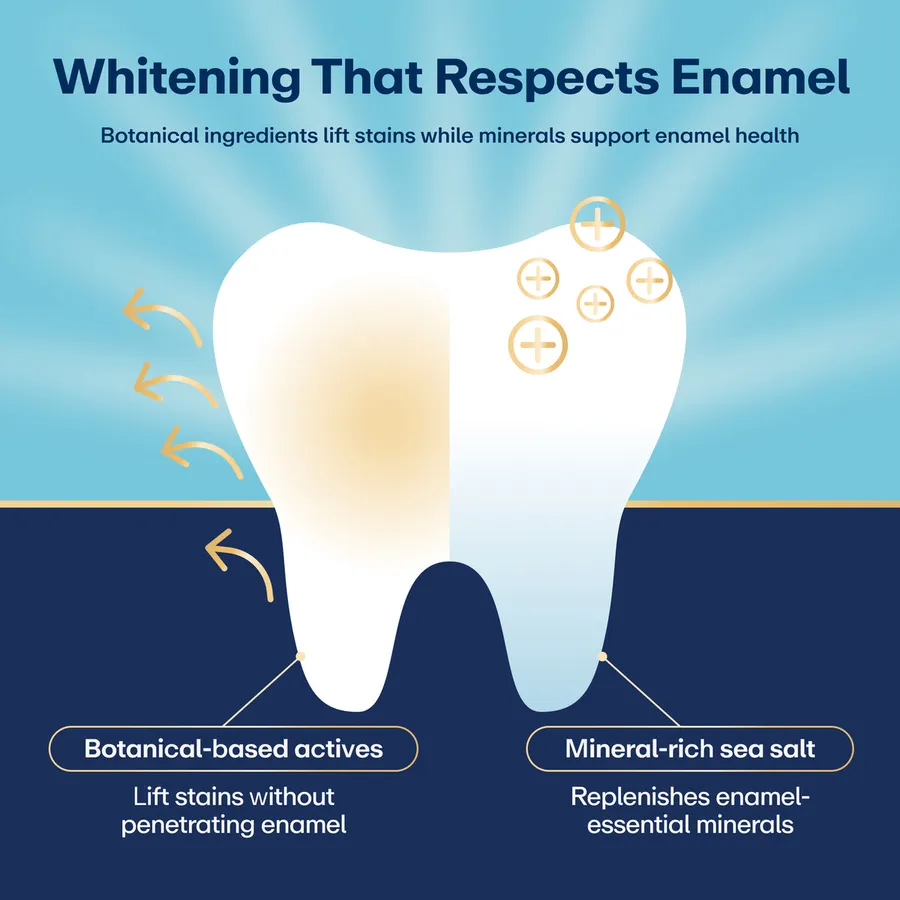
The ingredient is nano-hydroxyapatite. The product page describes it as NASA-developed technology made of the natural building blocks of tooth enamel. The ad copy is more specific than the page is: ten percent nano-hydroxyapatite, with particle sizing meant to reach microscopic imperfections in enamel and replenish enamel-essential minerals, so that stains and build up are less likely to take hold.
Notice that this is a different direction of travel from the usual whitening story. By the company's own comparison graphic, peroxide penetrates enamel to whiten, working from underneath. The nano-hydroxyapatite claim goes the other way: put mineral back onto the surface, smooth what light hits, and leave a stain less to hold on to.
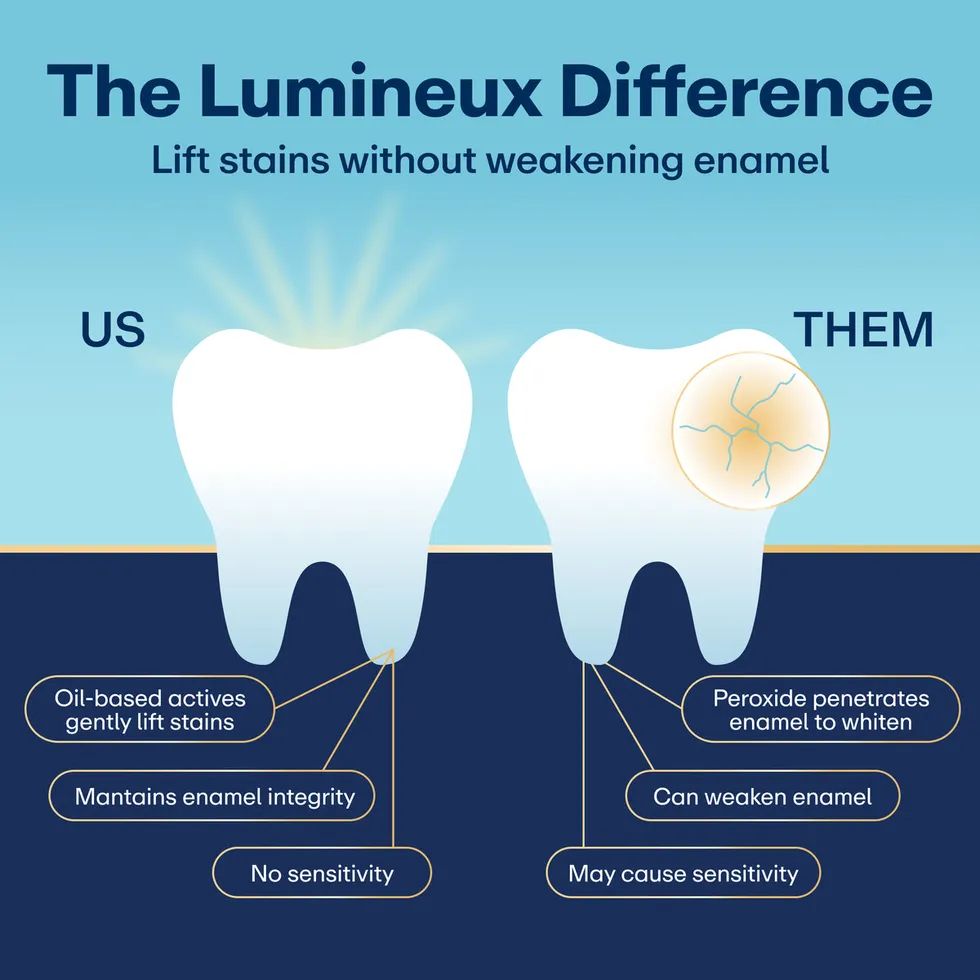
Its second diagram puts the whole formulation argument in four words: lift stains without penetrating enamel.
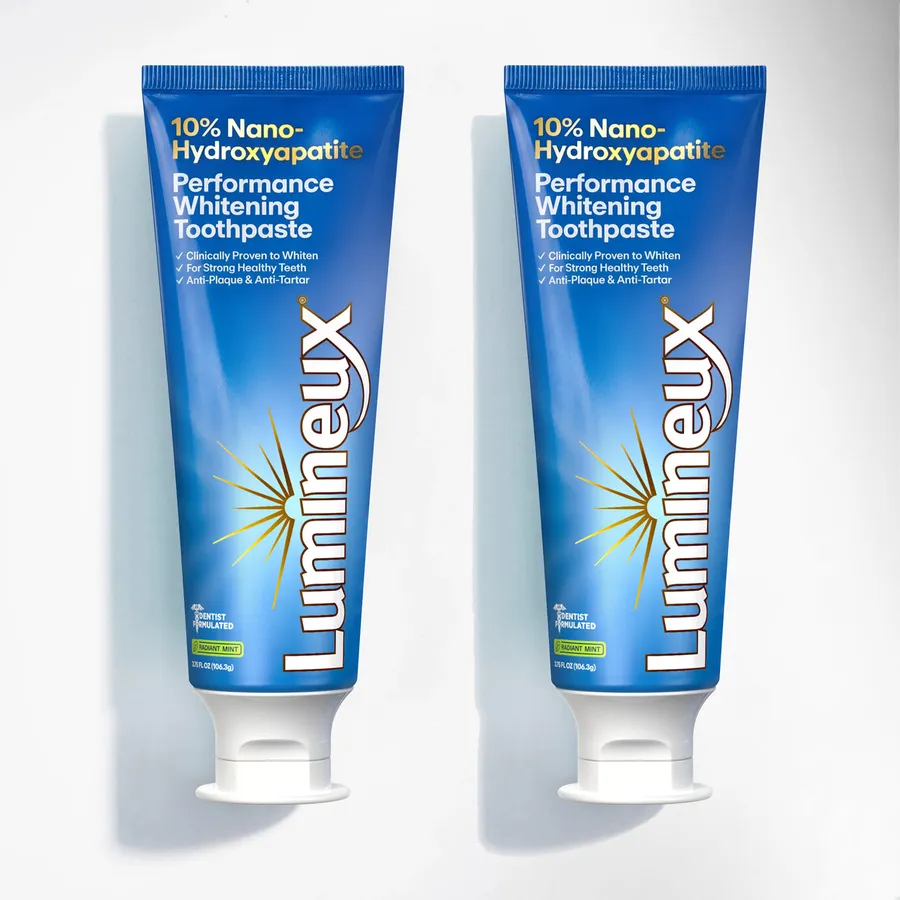
The toothpaste, in short
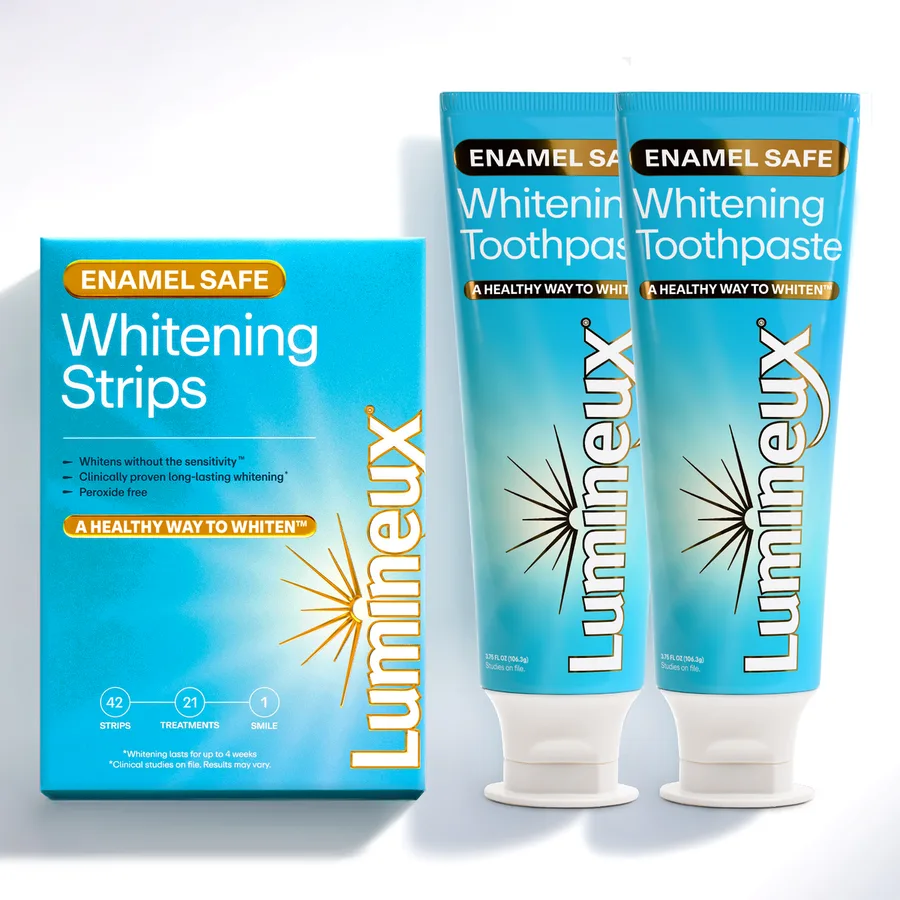
10% Nano Hydroxyapatite Performance Whitening Toothpaste, 3.75 oz, $17.99 for a two pack. Aloe leaf juice, glycerin, xylitol, hydrated silica, hydroxyapatite, sea salt and a run of plant oils. No fluoride, no SLS. A pea sized amount, two minutes, twice a day.
Ingredients, price and directions as published on lumineuxhealth.com, August 14, 2026.
Goes to the Lumineux product page.
If you have veneers, bonding or a crown
This is the question the company gets most, and it is the one where a laboratory study is more use than a testimonial. In 2020 the strips were tested not on people but on dental materials. Fifty four porcelain chips and seventy two composite chips were stained with tea, then randomly split into three groups. One porcelain set and one composite set were left as controls. The other two groups got either the Lumineux strip or Crest 3D White Whitestrips.
54 porcelain chips
72 composite chips
Every chip was read under light microscopy, profilometry and scanning electron microscopy, with a reflectance spectrophotometer tracking color across 24 hours of product exposure.
Neither product caused physical defects in the sample surfaces. However, the control product roughened the composite samples, whereas the test product did not. Conclusion of the porcelain and composite study published on lumineuxhealth.com. Read the summary
The color shift on the composite chips was significant and equivalent for both products, so this is not a study about one strip whitening harder. It is a study about what the surface looks like afterwards. The company's help center adds the caveat you would want anyway: veneers, bondings and caps may not whiten as quickly or as well as your natural teeth, as they are not as porous as enamel.
What the people who bought them say
Lumineux publishes its reviews on its own product pages. The whitening strips carry several hundred. Here are six of them, quoted as published, spelling included, and the last is the complaint that comes up most often.
Even my dentist was impressed!
“I've done all type off teeth whitening from crest strips to professional dental office whitening and Lumineux is hands down the BEST! No painful whitening “zings”, immediate results, long lasting, and good value! I always have strangers mention how white my teeth are! Recently had to have a root canal & dental crown put on and they told me I was the lightest tooth shade and they were impressed.”
Verified reviewer, published on lumineuxhealth.com
I'm a dental hygienist and these work
“A lot of whitening products have ingredients that consumers don't like and make them sensitive. I've been using these for a while now and I can say they do not make your teeth or gums sensitive. Use in dry teeth, it's easier to apply. Use for 10-14 days if you need to really whiten and use for a day or two if you need to just touch up.”
Verified reviewer, published on lumineuxhealth.com
Better than crest
“I really like these whitening strips, especially because they are so much more natural than Crest 3D whitening strips. I don't use these very often, but they have done a wonderful job. I only like to whiten maybe once a week if that. These don't cause as much sensitivity as crest either. I'll be purchasing them again!”
Verified reviewer, published on lumineuxhealth.com
Will buy again!
“These are great! Especially for someone who has extremely sensitive teeth like me, no pain or sensitivity whatsoever!”
Verified reviewer, published on lumineuxhealth.com
Works great with no sensitivity
“I love Lumineux! Though they may not whiten as well as some of the other products on the market, I love how all natural this product is. The flavor is nice and the best part is there is no teeth sensitivity while using these strips.”
Verified reviewer, published on lumineuxhealth.com
Buy 'em but keep a toothbrush handy
“PROS- they work. CONS- you kind of need to have dry teeth before you start or the strips will move around too much - little/no gum sensitivity - when you take them off, they leave a thick film of gunk on your teeth. i dont know if youre supposed to do this but i have to -- i take my toothbrush and do a quick swipe to remove the gunk.”
Verified reviewer, published on lumineuxhealth.com
That last one names the recurring gripe: a film left behind when the strip comes off. The company's help center answers it without pretending otherwise. One man's gunk is another man's purposeful and uncompromising ingredients, my friend, it says, before explaining that the leftover material is the oils and minerals, and that brushing it off is fine.
The second most repeated note across the reviews is practical rather than critical, and it is the useful one: dry your teeth before you apply. Reviewer after reviewer says the strips wander otherwise. It is not in the directions on the product page.
The protocol, as the company writes it
-
Each session
Apply upper and lower strips for 30 minutes. Remove, then rinse with water or brush.
-
First week
Seven days in a row.
-
After that
One to two times a week to maintain it.
-
From the reviews, not the directions
Dry the teeth first. Brush and floss, towel the front surfaces, then apply.
The dentist who stopped trusting what he was handed
Lumineux exists because of a specific irritation. In 2012, after twenty eight years in practice, Dr. Kourosh Maddahi noticed that patients with genuinely good hygiene kept coming back with the same persistent problems. His account, published on the company's about page, is that this led him to challenge products designed to kill 99% of the bacteria in a mouth, and to mix a small batch of mouthwash for his own practice instead.
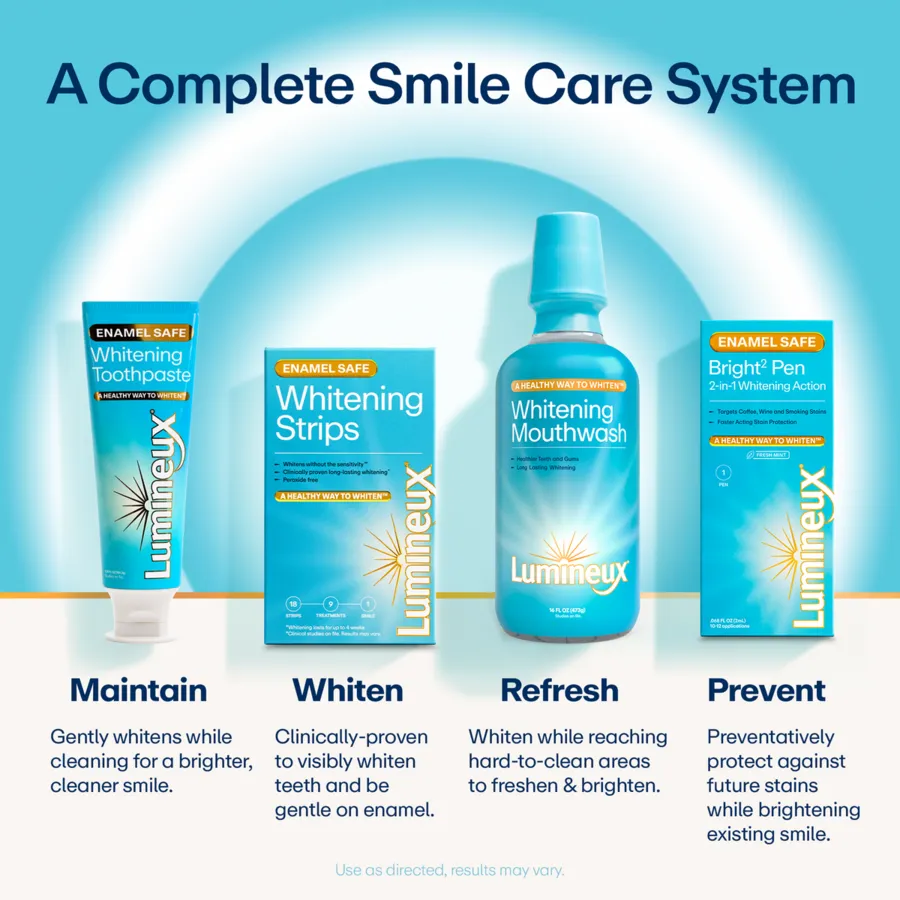
The batch became a range. Lumineux was founded in 2014 as the consumer facing brand of Oral Essentials Inc., based in Beverly Hills, and now covers strips, toothpaste, mouthwash, pens and kits. The four conditions Maddahi set out to address, in the company's telling, were sensitivity, dry mouth, gum disease and staining.
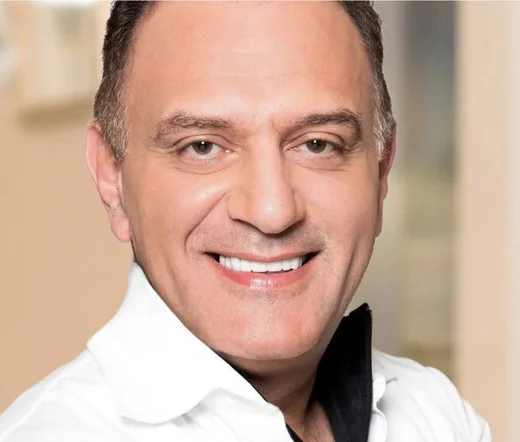
Dr. Kourosh Maddahi
Founder and CEO of Lumineux, and a practicing dentist for twenty eight years before he started it. He is the named author of the study summaries published on the company's site. His account, in his own words
Whether the premise behind the range convinces you is a separate matter from whether the strips work, and the studies above only speak to the second question. But the premise does explain the formula. If you start from the belief that a mouth is an ecosystem rather than a surface to disinfect, you end up with sea salt and coconut oil rather than peroxide and alcohol, and you end up publishing thirty one studies to prove it was not a compromise.
What it costs
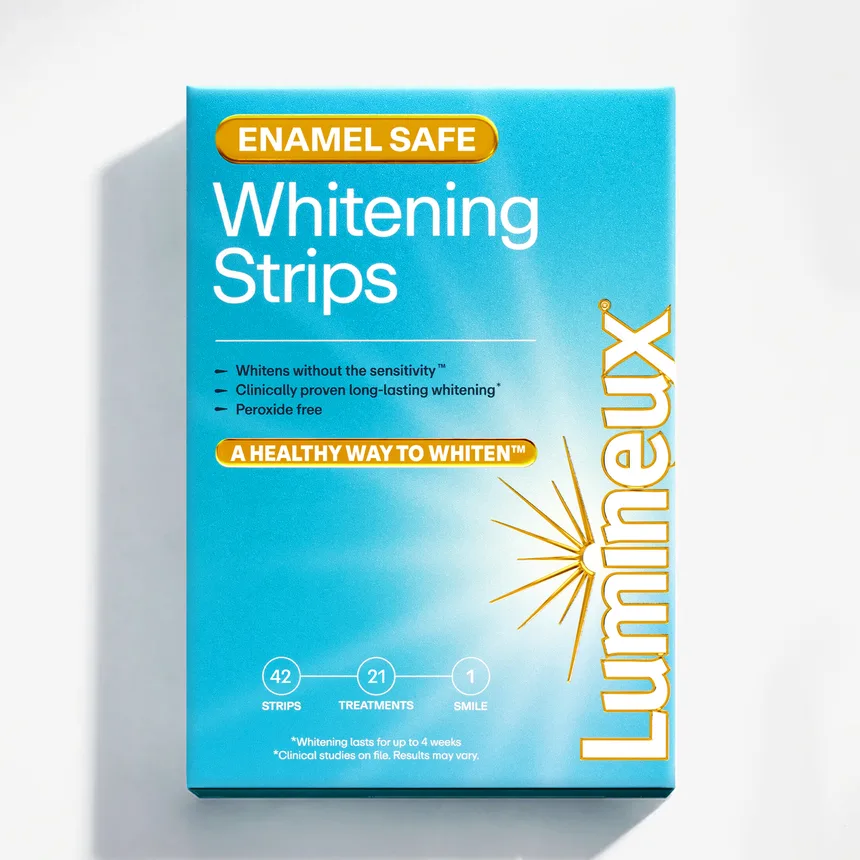
Goes to the Lumineux product page. This page sells nothing and takes no commission.
The bottom line
The interesting thing about Lumineux is not that it whitens teeth. Plenty of things whiten teeth, including the peroxide strip in the same trial. The interesting thing is that a company selling a gentler product went and paid for the head to head that could have embarrassed it, published the result where the tie was a tie, and then compressed the whole thing into an ad that says same results, none of the damage.
If whitening has ever made you stop halfway through, that is the sentence worth checking. The studies are two clicks from their homepage, and this page has linked all four of them.